
Wok Artistry at Home: Mastering Thai Pad Krapow Gai Like a Bangkok Street Pro
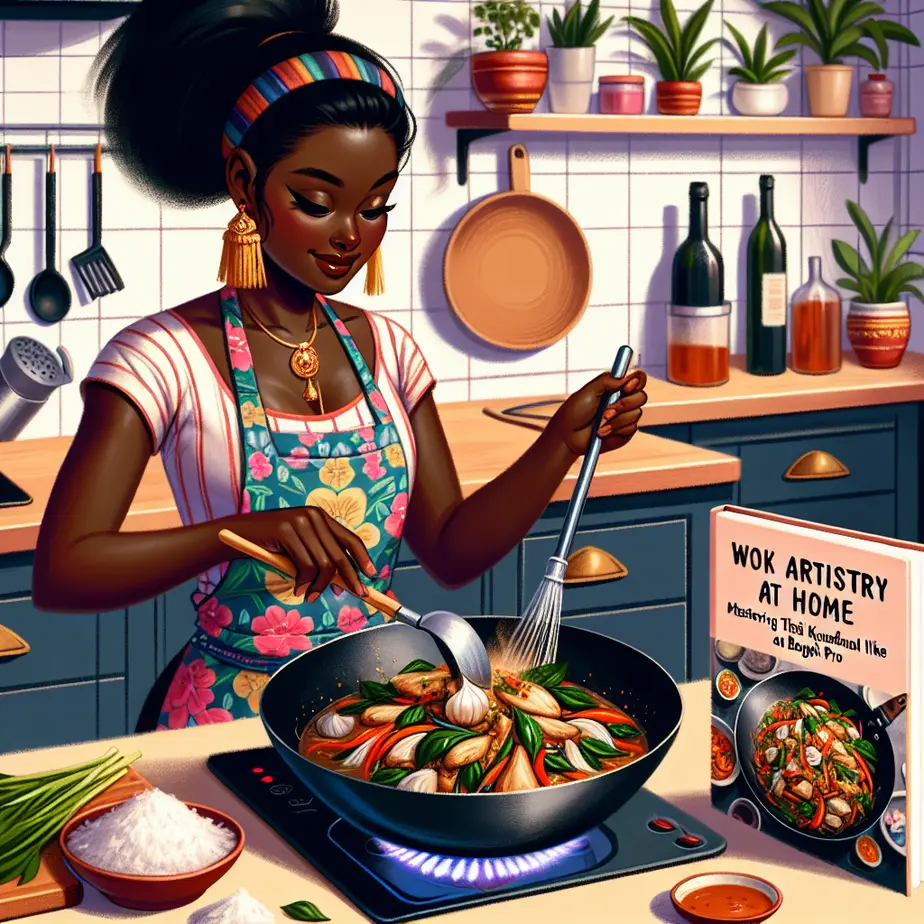
Wok Artistry at Home: Mastering Thai Pad Krapow Gai Like a Bangkok Street Pro
Pad Krapow Gai: Small Wok, Big Flavor
Pad Krapow Gai—Thai holy basil chicken—might look like a humble khao raan ahaan tam sang (made-to-order rice plate), but in Bangkok this dish is a daily ritual, almost a culinary heartbeat. In a few intense minutes, chicken, prik kee noo (bird’s eye chilies), garlic, and bai krapow (holy basil) collide in a smoking wok, creating that unmistakable perfume of heat, sweetness, and savory depth. This recipe captures that street-side energy while keeping things friendly and doable in a home kitchen, even if your stove can’t roar like a Thai gas burner.
Ingredients
- 300 g minced chicken (or finely chopped chicken thigh)
- 1 cup fresh holy basil leaves (bai krapow), loosely packed
- 4–5 cloves garlic, roughly chopped
- 4–8 bird’s eye chilies (prik kee noo), sliced (adjust to your heat level)
- 1 small onion or 2 shallots, sliced (optional, for sweetness)
- 1 tbsp neutral oil (rice bran or vegetable oil)
- 1 tbsp light soy sauce
- 1 tsp dark soy sauce (for color)
- 1–1½ tbsp fish sauce (nam pla)
- 1 tsp sugar or palm sugar
- 2–3 tbsp water or stock, as needed
- 2 fried eggs (kai dao), for serving
- Steamed jasmine rice (khao suay), to serve
Wok Heat, Flavor Theory, and Kitchen Craft
What makes Pad Krapow unforgettable isn’t a secret ingredient—it’s timing, heat, and balance. In Thai flavor theory, you’re chasing a sharp triangle of spicy, salty, and just slightly sweet, with basil’s peppery aroma lifting everything. The chilies and garlic hit hot oil first to bloom their fragrance, then chicken joins while the wok is at peak heat, creating light browning without drying out. In restaurant kitchens, cooks dance between orders, adjusting nam pla, sugar, and soy by instinct; at home, your advantage is control. You can taste as you go, adjusting the fish sauce for savoriness, sugar for roundness, and a splash of water to keep everything glossy instead of greasy—this is where true culinary mastery quietly replaces strict measuring.
Instructions
Step-by-step Guide
- Prep your aromatics: Chop garlic and chilies together into a rough paste—Thai cooks often pound them in a mortar, but a knife works fine. Slice onion or shallots if using. Pick basil leaves off the stems and keep them dry for best fragrance.
- Pre-mix your sauce: In a small bowl, stir together light soy sauce, dark soy sauce, fish sauce, and sugar. This little bit of kitchen logistics keeps the stir-fry fast and prevents overcooking while you fumble for bottles.
- Heat the wok: Place a wok or wide pan over high heat until just smoking. Add oil, then immediately toss in the garlic-chili mixture. Stir-fry 15–20 seconds until aromatic but not burnt—this is the base of your wok hei-like smokiness.
- Cook the chicken: Add minced chicken and break it up quickly. Keep the heat high and stir constantly, letting small bits catch light color. If the pan looks dry, add 1–2 tbsp water or stock to keep things sizzling instead of sticking.
- Season and balance: Pour in your premixed sauce and toss everything together. Taste: add extra fish sauce for more salty punch, a pinch more sugar if it feels too sharp, or a splash of water to loosen the sauce. When the chicken is cooked through and glossy, turn off the heat, throw in the holy basil, and toss just until wilted. Serve over hot jasmine rice with a crispy-edged kai dao on top—and try cooking this today, then share the spicy joy with friends!
Local Ecology, Culinary Heritage & a Friendly Farewell
Pad Krapow is rooted in Thailand’s local ecology: holy basil once grew as a backyard herb, not a luxury, its peppery leaves cutting through the richness of everyday meats and oils. On Bangkok streets it became a survival dish for busy workers—fast, cheap, deeply satisfying—yet its simplicity hides refined culinary guidance: minimal ingredients, maximum character, and fierce loyalty to fresh herbs and high heat. When you cook it at home, you’re not just copying a restaurant plate; you’re joining a living food culture that respects balance, speed, and seasonality. Finish your plate slowly, notice how the basil aroma lingers with the heat of prik kee noo, and let this humble stir-fry remind you that true Thai culinary artistry often lives in the most unassuming bowls of rice.

Leave a Reply
Want to join the discussion?Feel free to contribute!